

 Free Roadside Assistance
 Free Acts of God/Acts of Nature
 CASA Coverages Up to 10 Years old
 Flexible Payment Terms
Why Choose Us for Car Insurance
Affordable protection with low premiums to fit your budget and your peace of mind

Quick and easy claim settlement, putting money in your hands when you need it most.

Hassle-free coverage with zero paperwork—simple, fast, and entirely digital.

Immediate coverage for life's unexpected moments, with no waiting periods—secure protection instantly.

How It Works to Get Car Insurance
Provide your Vehicle Details
When providing vehicle details for the insurance, please select brand, model, variant, year.

Provide Your Contact Details
Once you have selected your vehicle details, enter your city, name and mobile number.
Get Your Insurance Plan
Our agent will contact you with the best insurance plans for your vehicle.

Benefits of car Insurance

File claims any time of the day, any day of the week.
Covers the cost of repairs or total write-off of vehicle

Provides emergency services like roadside assistance.

Assists you with legal proceedings with a third party case.
What is Car insurance?
Car insurance is not just a legal requirement but a smart investment for a car owner. Before driving a vehicle on the Philippines roads, a car owner must have car insurance in place. No questions asked.
Car insurance is not just a legal requirement but a smart financial safeguard for every Filipino driver. It covers vehicle damage, third-party injury, property damage, and unexpected road risks, helping you avoid major out-of-pocket expenses. Whether for daily driving or long-term ownership, the right car insurance policy gives you protection, security, and peace of mind on Philippine roads.
Car Insurance News & Articles
-
 384 Views
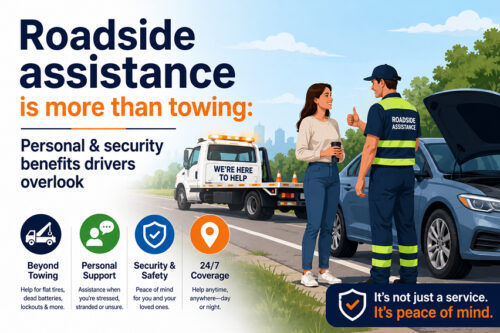
Roadside assistance is more than towing: Personal & security benefits drivers overlookCarmudi PH May 15, 2026
384 Views
Roadside assistance is more than towing: Personal & security benefits drivers overlookCarmudi PH May 15, 2026 -
50 Views
Travelling with pets in 2026: Essential insurance & safety tips every driver must knowCarmudi PH May 13, 2026
-
93 Views
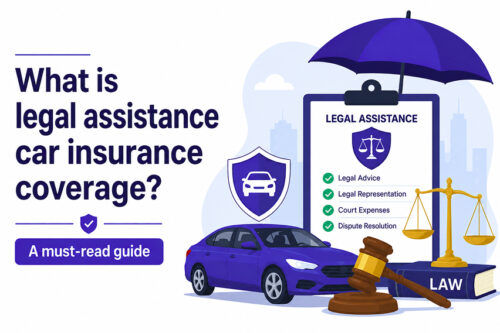
What is legal assistance car insurance coverage? A must-read guide for car ownersCarmudi PH May 12, 2026
-
282 Views
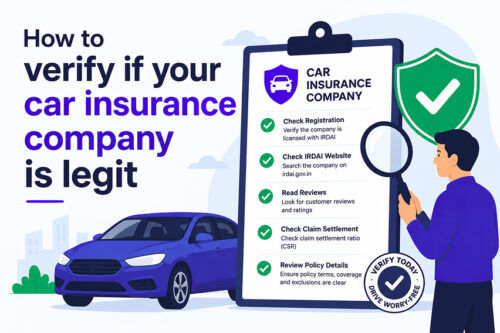
How to verify if your car insurance company is legit (Insurance Commission checklist)Carmudi PH May 08, 2026
-
1216 Views
How SRCC coverage protects your car during civic unrestCarmudi PH May 06, 2026


Car Insurance FAQs
What is car insurance and why do I need it?
Car insurance is a contract between you and an insurance provider that protects you from financial losses arising from accidents, theft, natural calamities, and third-party liabilities. Beyond being a legal requirement in the Philippines, it shields you from out-of-pocket repair costs, legal fees, and compensation claims that can run into hundreds of thousands of pesos after a single incident.
Is car insurance mandatory in the Philippines?
Yes. Under Philippine law, every registered motor vehicle must have a valid Compulsory Third-Party Liability (CTPL) policy before it can be registered or renewed with the Land Transportation Office (LTO). Driving without CTPL is a violation that can result in penalties, registration denial, and personal liability for any third-party injuries you may cause.
What is Compulsory Third-Party Liability (CTPL) insurance?
CTPL is the minimum legally required coverage in the Philippines. It pays for bodily injury or death caused to third parties (people outside your vehicle) in an accident involving your car. Coverage is typically up to PHP 100,000 per incident. CTPL does not cover damage to your own vehicle, injuries to you or your passengers, or property damage — which is why most drivers pair it with comprehensive coverage.
What’s the difference between CTPL and comprehensive car insurance?
CTPL only covers third-party bodily injury and is mandatory for vehicle registration. Comprehensive insurance is optional but far broader — it protects your own vehicle against accidents, theft, fire, vandalism, and acts of nature, and also includes higher third-party property damage and bodily injury limits. Most car owners carry both: CTPL to satisfy LTO requirements and comprehensive to protect the value of their car.
What does comprehensive car insurance typically cover?
A standard comprehensive policy in the Philippines usually includes own-damage coverage from collisions, theft and carnapping, third-party liability for bodily injury and property damage, and personal accident coverage for the driver and passengers. You can also add optional riders such as Acts of Nature (typhoons, floods, earthquakes, volcanic eruption), Acts of God, riot and strike coverage, and loss of use or courtesy car benefits.
How is my car insurance premium calculated?
Premiums are calculated primarily based on your vehicle’s Fair Market Value (FMV), which is referenced from an industry-standard FMV table. From there, insurers apply a percentage rate that depends on the make and model, age of the vehicle, type of coverage, the riders you add, your location, and your claims history. Newer and higher-value cars naturally cost more to insure because repair and replacement costs are higher.
How can I lower my car insurance premium?
You can reduce your premium by selecting a higher deductible, maintaining a clean claims record to qualify for No Claim Discounts, bundling multiple vehicles or policies, choosing only the riders you genuinely need, and comparing quotes from several providers before renewing. Installing approved anti-theft devices and parking in a secured garage may also lead to lower rates with some insurers.
Can I choose my own car insurance provider?
Yes. You are free to choose any insurance provider licensed by the Insurance Commission of the Philippines. Even if you purchased your car through a dealership or financed it through a bank, you can usually select your preferred insurer at renewal — and sometimes at the time of purchase. Comparing quotes, accredited repair shop networks, and claims turnaround time is the best way to find a policy that fits your needs.
What should I do after an accident, and how do I file a claim?
First, ensure everyone is safe and call emergency services if anyone is injured. Take clear photos of the damage, the scene, and the other vehicle’s plate number, and exchange information with the other driver. File a police report at the nearest station — this is required for most claims. Notify your insurer within the timeframe stated in your policy (usually within 24 to 72 hours), then submit the claim form, police report, photos, repair estimate, and copies of your driver’s license, OR/CR, and policy.
What documents do I need to purchase car insurance?
To purchase a policy, you’ll typically need your vehicle’s Official Receipt and Certificate of Registration (OR/CR), a valid government-issued ID, your driver’s license, and proof of address. For brand-new vehicles, the dealer’s sales invoice and conduction sticker may be required. For used cars, a deed of sale and recent inspection photos may also be requested.
Can I transfer my car insurance to another vehicle or new owner?
Yes. If you sell your car, the policy can be transferred to the new owner, and if you purchase a replacement vehicle, your existing coverage can usually be moved to the new car. Both scenarios require a written request to your insurer along with supporting documents such as the deed of sale and the new vehicle’s OR/CR. Premium adjustments may apply depending on the value of the new vehicle.
Can I cancel my car insurance policy and get a refund?
Yes, you can cancel a comprehensive policy at any time by submitting a written cancellation request to your provider. Refunds are typically computed on a short-period or pro-rated basis, less any administrative or cancellation fees outlined in your policy. CTPL, however, is generally non-refundable once issued because it is tied to your LTO registration.
What is Acts of Nature coverage and do I need it?
Acts of Nature (sometimes called Acts of God) is an optional rider that covers damage caused by typhoons, flooding, earthquakes, landslides, volcanic eruptions, and similar natural events. Given that the Philippines experiences around twenty typhoons each year and many areas are flood-prone, this rider is strongly recommended — particularly if you live in or commute through flood-affected zones.
What is a No Claim Discount (NCD)?
A No Claim Discount rewards safe drivers who do not file claims during their policy year with a discount on their next renewal. The discount typically increases with each consecutive claim-free year, up to a maximum percentage. Filing a claim usually resets the discount, so it’s worth weighing whether to claim for minor damages or shoulder small repair costs yourself.
Can I buy car insurance online in the Philippines?
Yes. Buying car insurance online has become the fastest and most convenient option. You can compare quotes from multiple providers, customize coverage, complete payment securely, and receive your policy via email — often within minutes. Online purchase also makes it easy to renew, view your policy details, and track claims without visiting a branch.
Affordable & Reliable Car Insurance in the Philippines - Get a Quote Today
Looking for the best car insurance in the Philippines? You're in the right place. Carmudi makes it simple to compare and buy car insurance - from Compulsory Third-Party Liability (CTPL) to fully comprehensive cover, with optional Acts of Nature, roadside assistance, and personal accident protection.
Just share a few details online and our insurance experts will call you back with personalized car insurance quotes matched to your vehicle and needs. You'll get transparent pricing based on your car's Fair Market Value (FMV), guidance on the right coverage, and flexible payment options so you can settle the premium in a way that works for you - whether you're in Metro Manila, Cebu, Davao, or anywhere across the country.
Why Car Insurance Matters in the Philippines
Driving without valid car insurance in the Philippines isn't just risky - it's against the law. Every registered vehicle is required to carry at least a CTPL policy before it can be registered or renewed at the Land Transportation Office (LTO). Beyond legal compliance, the right policy protects you from the real-world costs of accidents, theft, flooding, and natural calamities - expenses that can easily climb into hundreds of thousands of pesos.
Three reasons every Filipino driver should be insured:
- Legal requirement - CTPL is mandatory under Philippine law for all LTO-registered vehicles.
- Financial protection - Accident repairs, third-party liability, theft, fire, and Acts of Nature can be devastating without coverage.
- Peace of mind - Drive confidently knowing repair costs, legal liability, and emergency assistance are taken care of.
Types of Car Insurance Coverage in the Philippines
1. Compulsory Third-Party Liability (CTPL)
CTPL is the legal minimum required by the Insurance Commission and the LTO. It covers bodily injury or death caused to third parties (people outside your vehicle) in an accident involving your car. CTPL does not cover damage to your own vehicle, your passengers, or third-party property damage.
CTPL premiums starting from PHP 560 per year for private cars.
Required for: every LTO vehicle registration and annual renewal.
Coverage limit: up to PHP 100,000 per incident, depending on the policy.
2. Comprehensive Car Insurance
Often called "full coverage," comprehensive car insurance bundles CTPL with broader, far more meaningful protection for your own vehicle and finances:
- Own-Damage Cover - collision, accidents, and vandalism.
- Theft & Carnapping - full or partial loss of your vehicle.
- Acts of Nature - typhoons, floods, earthquakes, volcanic eruptions, landslides.
- Acts of God - accidental fire, lightning, falling objects.
- Third-Party Property Damage - damage you cause to other vehicles or property.
- Excess Bodily Injury - coverage above the CTPL minimum for higher payouts.
- Personal Accident Cover - for the driver and qualifying passengers. Optional add-ons (riders) you can include:
- Roadside Assistance - towing, battery jump-start, flat tire help, fuel delivery.
- Loss of Use / Courtesy Car - daily transport allowance while your car is in repair.
- Auto Passenger Personal Accident (APPA) coverage.
- Riot, Strike, and Civil Commotion (RSCC) protection.
- Loss of Personal Effects inside the vehicle.
Comprehensive car insurance premiums start from PHP 7,000 per year and scale with your vehicle's FMV and the riders you choose.
How Car Insurance Premiums Are Calculated
Car insurance premiums in the Philippines are computed primarily based on your vehicle's Fair Market Value (FMV) - sourced from an industry-standard FMV table - multiplied by a percentage rate. Several factors influence the final amount:
- Vehicle make, model, variant, and year - newer and higher-value cars cost more to insure.
- Coverage type - CTPL only vs. fully comprehensive.
- Riders selected - Acts of Nature, roadside assistance, loss of use, etc.
- Location of registration - Metro Manila, Cebu, and Davao typically carry higher rates.
- Vehicle age and depreciation - both affect FMV and premium.
- Claims history and driving record.
- Use type - private use vs. ride-hailing (TNVS) or commercial. Indicative annual premium estimates (comprehensive, private use):
- Compact / hatchback: starting from PHP 7,000
- Mid-size sedan or SUV: starting from PHP 14,000
- Luxury vehicle: starting from PHP 35,000
How to Get a Car Insurance Quote - Step by Step
- Submit your vehicle details online - brand, model, year, and variant.
- Share your contact information and location - city or province.
- Our insurance specialist will call you back to understand your coverage needs and walk you through the right options - CTPL, comprehensive, or specific riders.
- Receive personalized quotes and compare them with expert guidance - no fine print left unexplained.
- Pick the policy that fits your budget and complete payment using your preferred flexible payment option - installment plans, credit card, debit card, or e-wallet.
- Receive your policy and Certificate of Cover once your payment is confirmed.
Flexible Payment Options Built Around You
We understand that car insurance is an important investment - so paying for it shouldn't be a strain. Choose the payment plan that works best for your budget:
- Easy monthly or quarterly installment plans.
- Credit card and debit card payments.
- E-wallet payments - GCash, Maya, and other popular Philippine wallets.
- Bank transfer and over-the-counter options.
- Renewal reminders so your coverage never lapses.
What to Look For in a Top Car Insurance Provider
- Strong reputation and accreditation by the Insurance Commission of the Philippines.
- Fast, transparent claim settlement and clear turnaround commitments.
- Wide network of accredited repair shops nationwide.
- 24/7 customer service hotline and roadside assistance.
- Plain, easy-to-read policy wording with no hidden fine print.
- Flexible payment options - installments, credit card, debit card, GCash, Maya, and bank transfer.
- Personal assistance from licensed insurance specialists - not just a faceless form.
- Genuine spare parts policy and original equipment manufacturer (OEM) standards.
Smart Tips to Lower Your Car Insurance Premium
- Choose a higher deductible - your annual premium drops in exchange for paying more on small claims.
- Maintain a claim-free record to qualify for No Claim Discounts (NCD) on renewal.
- Bundle multiple vehicles or family policies under one provider for loyalty discounts.
- Skip riders you do not realistically need - review every line on your quote.
- Compare quotes from multiple providers every renewal cycle, not just once.
- Install approved anti-theft devices such as immobilizers, GPS trackers, or alarms.
- Park in a secured garage or covered area whenever possible.
- Drive safely and defensively to keep your record clean and your premium low.
Frequently Asked Questions About Car Insurance in the Philippines
Q: Is comprehensive car insurance worth it?
A: For most drivers, yes. CTPL only covers third-party bodily injury, but comprehensive insurance also protects your own vehicle against accidents, theft, fire, and floods. Given the country's typhoon season and dense urban traffic, the added protection usually pays for itself the first time you avoid a major out-of-pocket repair.
Q: Can I switch car insurance providers at renewal?
A: Yes. At renewal, you're free to compare quotes and move to a new provider. The recommended best practice is to start comparing at least 30 days before your policy expires to avoid any coverage gap.
Q: What documents do I need to buy car insurance?
A: Typically - your vehicle's Official Receipt and Certificate of Registration (OR/CR), a valid driver's license, a government-issued ID, and proof of address. Brand-new cars may need a dealer sales invoice; used cars may need a deed of sale and recent vehicle photos. Our specialist will guide you on exactly what's required for your case.
Q: How fast are car insurance claims paid out?
A: Approved repair claims are typically processed within 5 to 15 working days from full document submission, depending on damage severity and the insurer. Total loss or theft claims usually take longer because of additional verification and police clearance requirements.
Q: How do I buy CTPL insurance?
A: Submit your details on our request form and one of our insurance specialists will reach out with your CTPL quote. Once you confirm, you can pay using any of our flexible payment options and your policy will be issued for use during LTO registration or renewal.
Q: Does car insurance cover flood damage?
A: Standard comprehensive policies do not automatically cover floods - you need to add the Acts of Nature rider. Given how flood-prone many parts of the Philippines are, this is one of the most recommended add-ons.
Q: Can I insure a second-hand or used car?
A: Yes. Second-hand cars can be covered under both CTPL and comprehensive policies. The premium is calculated using the vehicle's depreciated FMV, and the insurer may request inspection photos before issuing coverage.
Drive Safe, Drive Insured - Get Covered Today
Choosing the right car insurance in the Philippines doesn't have to be complicated. Compare CTPL and comprehensive options, weigh the riders that match your lifestyle, and lock in coverage with transparent pricing, fast claims, and reliable customer support.
On Carmudi, simply share your details - our insurance specialists will call you back with personalized car insurance quotes, walk you through every option, and help you complete your purchase using the flexible payment plan that suits you best.
Request your free car insurance quote today and drive with complete peace of mind.