
Should Filipino drivers switch to usage-based car insurance in 2026?

- KEY TAKEAWAYS
- Understanding traditional car insurance
- What is traditional car insurance?
- Common challenges faced by drivers
- Usage-based car insurance in the Philippines
- What is usage-based car insurance?
- Working of usage-based car insurance
- Types of usage-based insurance
- Usage-based car insurance in 2026
- Benefits of usage-based car insurance
- Traditional to usage-based insurance: Who should switch
- Traditional vs. usage-based car insurance
- How much can Filipino drivers save via usage-based insurance?
- Is switching right for you?
Car ownership in the country continues to rise, especially in urban areas like Metro Manila, Davao, and Cebu. Along with this growth comes growing car ownership costs, including fuel prices, parking fees, maintenance, and insurance premiums. With so much financial burden, car owners often look for ways to minimise expenses, and one easy way is to switch from traditional insurance plans.
KEY TAKEAWAYS
Compared to traditional insurance, is a usage-based policy cheaper?
Yes, but only if the car owner uses the car less frequently. You see, low mileage often means low premium.Do I need special equipment for usage-based insurance?
To benefit from usage-based insurance, you either need a dedicated mobile app or a small tracking device recommended by your provider.Is my driving data safe with the provider?
Most insurance providers follow strict data protection rules, but it is recommended to always read the policy terms before signing.Can bad driving increase my premium?
Yes, for sure, unsafe driving habits may lead to high insurance costs.Should I switch to usage-based car insurance?
Switching to usage-based car insurance in 2026 could be a practical and money-saving decision, given that you are a safety-conscious driver.Save Up to 60% on Car Insurance Renewal
- CASA Coverage Up To 10 Years Old
- Free Roadside Assistance
- Free Acts of God/Acts of Nature
 T&C
T&C
In 2026, car owners are becoming more aware and opting for usage-based car insurance. The latter is slowly but steadily becoming a popular option worldwide. In the Philippines, interest in this particular insurance plan is gradually rising. You see, unlike traditional insurance that charges a fixed annual premium, usage-based car insurance adjusts the cost based on how often and how safely you drive.
Overall, this new insurance model offers car owners fairer pricing and possible savings. Thus, it is crucial to understand usage-based car insurance in-depth. To help you on your journey, we have explained everything in simple, easy-to-understand language.
Understanding traditional car insurance
What is traditional car insurance?
Traditional car insurance in the Philippines usually comes with a fixed yearly premium, regardless of whether you drive daily or rarely - in both cases, you pay the same amount. Here, the premium is based on the following factors, including –
- Vehicles make, model, and value.
- Driver’s age, location, and driving history
- Coverage type
Most Filipino drivers are familiar with this setup as it is more or less a standard practice.
Common challenges faced by drivers
Many Filipino car owners are now raising concerns about how traditional insurance policies are not always fair. Here is a list of common complaints -
- Rising cost (every year)
- High premium despite low mileage
- Little reward for safe driving
Car owners who are in a work-from-home situation or who really use the vehicle feel that insurance is a burden, a waste of money.
Also Read: Car insurance FAQs updated for 2026: Essential, practical, and easy guide for drivers
Usage-based car insurance in the Philippines
 Photo from Freepik
What is usage-based car insurance?
Usage-based car insurance is a modern model in which the premium is calculated based on actual driving behaviour. So, instead of paying a flat rate, your premium depends on how much and how well you drive.
Working of usage-based car insurance
To integrate usage-based car insurance into their setup, providers are using modern technologies such as mobile applications, GPS trackers, and on-board devices to collect driving data and determine insurance costs.
When it comes to driving data that matters, providers analyse distance travelled, speed, travel time, and braking habits.
Types of usage-based insurance
Usage-based car insurance is primarily based on Pay-As-You-Drive (distance/mileage) and Pay-How-You-Drive (speed, braking, time).
|
Pay-As-You-Drive |
Pay-How-You-Drive |
|
|
Also Read: A simple guide to compare car insurance policies in the Philippines: Smart & practical tips
Usage-based car insurance in 2026
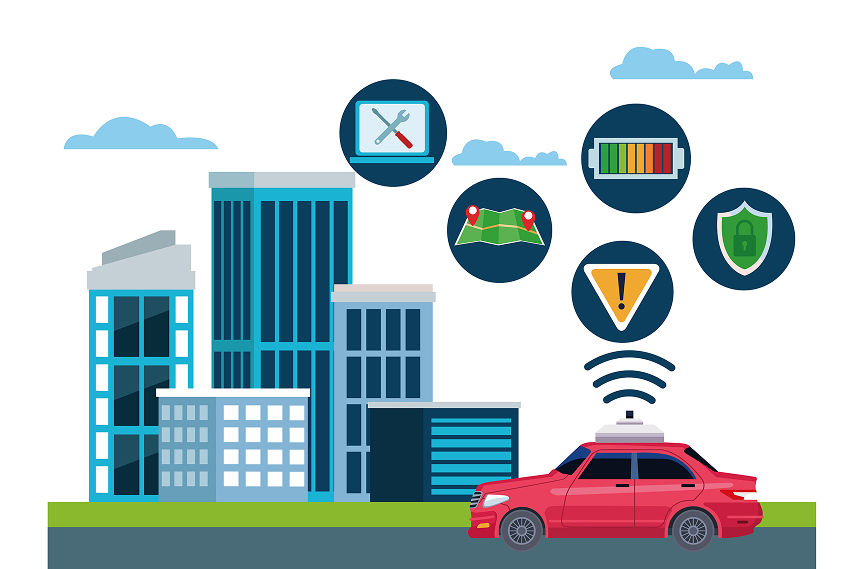 Photo from Freepik
There are several reasons why usage-based car insurance is gaining attention in the country, especially in 2026. The list includes -
Technological growth: Smartphones and GPS are now widely used worldwide, and the Philippines is no exception. This change has made it easier for providers to offer usage-based plans. Furthermore, car owners are becoming increasingly comfortable with using apps.
Rising fuel & maintenance costs: Drivers are now using their cars less than before, due to fluctuating fuel prices and higher vehicle maintenance costs. Here, usage-based insurance fits perfectly with the changing lifestyle.
Benefits of usage-based car insurance
Usage-based car insurance has several advantages, a few of which are listed below -
Potential cost savings: One of the biggest reasons Filipinos drivers adopt usage-based insurance is the savings it offers. Low-mileage drivers save more here compared to traditional policies.
Fair pricing based on actual driving: Instead of paying for risks that aren’t always there, you pay for how you actually use the car. Usage-based insurance feels fairer for responsible drivers.
Encourage safe driving habits: Driving behaviour affects premiums, thus making car owners more cautious when behind the wheel.
Drawbacks of usage-based car insurance (Filipinos should know)
Privacy and data concerns: One major concern with adopting usage-based insurance is the risk of being tracked. Though policyholders are assured about their data privacy, it is essential to read the policy terms carefully.
Not ideal for high-mileage drivers: If long-distance travel is part of your routine, usage-based insurance is not advisable, as you may not save much.
Also Read: New car buyers' guide: What insurance you need in 2026
Traditional to usage-based insurance: Who should switch
City drivers/daily commuters: If you live in the city and your daily commute is limited to work/office/college, then usage-based insurance is a good option to consider. It is suitable for someone who drives slowly and travels short distances.
Weekend/occasional drivers: If you only use your car for commuting long distances, or for family trips that are too rare, this type of insurance makes a lot of sense.
Traditional vs. usage-based car insurance
|
Parameters |
Traditional insurance |
Usage-based insurance |
|
Pricing |
Fixed yearly rate |
Depends on usage (mileage/driving pattern) |
|
Flexibility |
Low |
High |
|
Rewards for safe driving |
Limited |
Yes |
|
Ideal for |
Frequent drivers |
Low-mileage drivers |
Also Read: A practical guide to buying car insurance online in 2026: Process, mistakes, tips, & more
How much can Filipino drivers save via usage-based insurance?
Low-mileage Filipino drivers can save thousands of pesos per year via usage-based insurance. But remember, savings depend on driving habits and distance travelled. Furthermore, as more providers enter the market, prices are expected to decline.
Is switching right for you?
If you are confused about switching or not from traditional to usage-based insurance, then ask yourself the following questions -
- How often do I drive each week?
- Am I comfortable sharing my driving data?
- Do I want to be rewarded for safe driving?
If most of your answers are ‘yes’, then switching is the right choice.
Also Read: Must-have car insurance coverage for travel enthusiasts in 2026
Bottom line
So, should a Filipino car owner switch to usage-based car insurance in 2026? The answer to this depends on how you use your car. For many Filipino car owners, especially those who drive less, want to save money, follow traffic rules, and value fairness, usage-based insurance offers a modern and flexible alternative. While this alternative insurance is not for everyone, it showcases the growing shift towards a more personalised, innovative approach to insurance.
As the insurance market expands, Filipino drivers need to stay informed, compare plans, and choose one that best suits their lifestyle.
Featured Articles
- Latest
- Popular
Recommended Articles For You
You Might Also Be Interested In
- Journal
- Advice
- Financing
-
-
8th-gen Lexus ES enters PHRuben Manahan IV . Aug 10, 2026
-
Audi RS 5 Avant PHEV officially enters PHRuben Manahan IV . Aug 08, 2026
-
Ford Territory Hybrid gets new Platinum variantPaulo Papa . Aug 07, 2026
-
Toyota Motor PH to hit 3-M sales mark in 2026Aug 06, 2026
-
-
How to handle a checkpoint: The right and wrong movesCarmudi PH . Apr 14, 2025
-
-
-
-
-
Fast-track your car loan payoff with these hacksCarmudi PH . Apr 06, 2025
-
-
-
Need better auto loan terms? Here’s how to refinanceCarmudi PH . Mar 21, 2025
Featured Cars
- Latest
- Upcoming
- Popular
Car Articles From Zigwheels
- News
- Article Feature
- Advisory Stories
- Road Test
-
Mitsubishi Motors PH’s production expansion to boost contribution to local auto industryRuben Manahan IV . Aug 10, 2026
-
Major rollback set this weekPaulo Papa . Aug 10, 2026
-
Toyota partially updates GR86Ruben Manahan IV . Aug 10, 2026
-
Zigwheels weekly wrap: Aug. 3-7Paulo Papa . Aug 10, 2026
-
Mitsubishi revives VR nameplate for latest EVCesar Miguel . Aug 10, 2026
-
3 big reasons to consider the BYD Atto 2 BEVCesar Miguel . Aug 07, 2026
-
3 reasons to get excited about the MG S5 EVPaulo Papa . Aug 05, 2026
-
Check out the updated BYD Seal 5 DM-i’s strengths, weaknessesCesar Miguel . Aug 04, 2026
-
3 reasons to buy the Toyota Land Cruiser LC 300 HEVCesar Miguel . Aug 04, 2026
-
4 biggest reasons to consider the BYD Atto 2 DM-iCesar Miguel . Jul 30, 2026
-
Tips on how to prevent vehicle firesCesar Miguel . Mar 17, 2026
-
How to prepare your car for summerCesar Miguel . Mar 11, 2026
-
Avoid road trip horror stories this 'Undas' with these tipsRuben Manahan IV . Oct 20, 2025
-
Here are ways to avoid road ragePaulo Papa . Sep 23, 2025
-
How well do you understand traffic signs?Cesar Miguel . Sep 09, 2025
-
First impressions: Geely EX2Cesar Miguel . Jun 18, 2026
-
ELECTRIA: VinFast VF 6 is a well-equipped urban warriorCesar Miguel . Apr 20, 2026
-
BYD DM-i lineup conquers Southern LuzonCesar Miguel . Mar 10, 2026
-
Hyundai Creta Premium: balancing engaging drive,comfortCesar Miguel . Feb 13, 2026
-
First drive: 4th-gen Changan CS55 PlusPaulo Papa . Feb 09, 2026