
All you need to know about taking photos after a car accident in the Philippines

- KEY TAKEAWAYS
- Why is it important to take photos after a car accident?
- Photos to take after a car accident
- 1. Overall scene of the accident
- 2. Damage to the vehicles involved
- 3. License plates and registration stickers
- 4. Traffic and road conditions
- 5. Surrounding area and traffic signs
- 6. Injuries
- 7. Other relevant details
- Tips to take better photos for evidence
- Use your smartphone
- Take clear, well-focused shots
- Capture multiple angles
- Good lighting
- Double-check the photos
- Insurance claim and photos
- Photos submission with the claim
- Get photos backup copies
- Show photos to the insurance agent
No one wants to get involved in a car accident but they are the unfortunate reality of the world and our roads that are packed with vehicles and people.
KEY TAKEAWAYS
What should I do if the other driver/party involved in the accident refuses to exchange information?
In such a case, try to gather as much evidence as possible, including photos of the vehicle and their license plate.Can I use accident photos in the court of law as evidence?
Yes, photos taken at the scene of an accident are admissible as evidence in court.Is it legal to take photos of a car accident scene?
Yes, it is legal to take photos at the scene of a car accident. In fact, it is highly recommended for insurance claims and legal proceedings.Save Up to 60% on Car Insurance Renewal
- CASA Coverage Up To 10 Years Old
- Free Roadside Assistance
- Free Acts of God/Acts of Nature
 T&C
T&C
Though we can not escape the harsh reality of car accidents and how often they occur, it is smart to know what to do after an accident. In this article, we’ll be discussing one such quick response that is a must if you are involved in an accident. Apart from calling out for medical assistance and the police, if needed, it is crucial to gather all the necessary evidence. Why? For car insurance claims, and legal matters, and to have a clear understanding of what happened.
In the Philippines, taking photos after a car accident is one of the most essential steps for anyone involved in the event, be it the driver or a pedestrian. The pictures act as visual proof, clearly showing the damage to the vehicle/individuals involved and the surroundings.
Despite being a crucial part of the insurance claim process, many are unfamiliar with this process. If you too were unaware of the topic, here is a comprehensive guide on taking photos after a car accident in the Philippines.
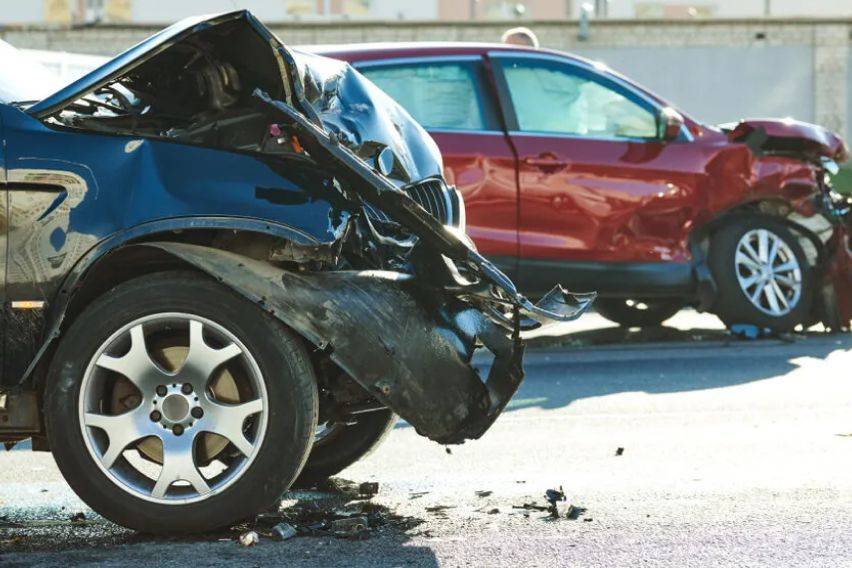
Why is it important to take photos after a car accident?
Taking photos after a car accident serves several key purposes including -
Serve as evidence for insurance claims: Insurance companies will ask for proof of the accident to assess the damage and determine how much compensation you are entitled to. Photos provide this objective evidence, which can prevent delays or disputes during the claims process.
Supporting legal cases: In cases where there is a legal dispute, photos serve as irrefutable evidence in court, helping to clarify the circumstances of the accident.
Determining liability: Often, determining who is at fault in an accident isn't straightforward. Photos help clarify the positions of the vehicles, the damage sustained, and other factors that can indicate fault.
Capturing the scene: Memories fade, and details can be forgotten or misunderstood. Photos preserve the scene exactly as it was when the accident occurred, which could be crucial for investigations.
Photos to take after a car accident
Knowing what to photograph after an accident can make or break your ability to prove your case. It's essential to capture all the relevant details in a clear and organized manner. Here’s a breakdown of the critical elements you should photograph:
1. Overall scene of the accident
Begin by taking wide-angle shots that show the entire scene of the accident. These shots should cover the positions of all vehicles involved, their orientation on the road, and any significant landmarks like street signs, traffic signals, or road markings that can help explain the situation.
Note, that such photos provide a holistic view of the event that helps authorities or insurance agents understand the bigger picture.
2. Damage to the vehicles involved
Next, capture close-up photos of the damage to each vehicle involved in the accident. Take photos from multiple angles to ensure that all visible damage is well documented. Be sure to include the point of impact and any scratches, dents, or broken parts.
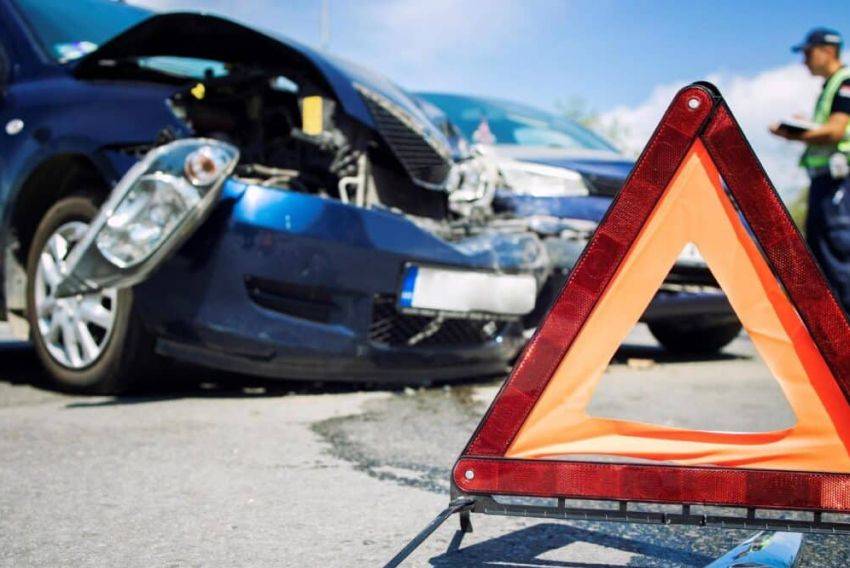
3. License plates and registration stickers
Make sure to take clear pictures of the license plates of all vehicles involved. This information is essential for insurance companies and police reports. Also, include photos of the vehicle registration stickers found on the windshield, as these provide details about the vehicle’s roadworthiness and registration status.
4. Traffic and road conditions
Photograph the road conditions at the time of the accident. Was the road wet or dry? Were there any potholes, debris, or uneven surfaces? Capturing the condition of the road can be a critical factor in determining liability, especially if environmental factors contributed to the accident.
5. Surrounding area and traffic signs
Don’t forget to include photos of the surroundings. Were there any relevant traffic signs nearby, such as stop signs, yield signs, or speed limit indicators? Also, if the accident happened near a traffic light, try to capture its status at the time of the accident if possible. These details could prove whether a driver ignored traffic laws.
6. Injuries
While taking photos of injuries may feel uncomfortable, it is crucial for insurance claims and legal matters. If you or any passengers sustained visible injuries, document them as soon as possible after the accident. However, avoid interfering with emergency services or medical personnel if they are attending to injured persons.
7. Other relevant details
Other aspects like skid marks, broken glass, or debris scattered around the scene should also be photographed. These could help reconstruct the events leading to the accident. Skid marks, for example, can indicate if and when the driver attempted to brake, which could help in assessing speed or reaction time.
Tips to take better photos for evidence
Remember it is not just about what you photograph but how to photograph. Here are some tips to ensure your photos are useful for insurance and legal purposes:
Use your smartphone
Most smartphones today have high-resolution cameras that are more than adequate for documenting an accident. If you don’t have a camera with you, your smartphone is an excellent alternative.
Take clear, well-focused shots
Blurry photos are less helpful when assessing details. Make sure your photos are in focus and clear. Don’t rush through the process; take a moment to ensure each shot is usable.
Capture multiple angles
Take a note to take multiple photos from different angles of each and every subject. This will provide a more comprehensive view, ensuring no detail is overlooked.
Good lighting
If possible try taking pictures in good lighting. In case it’s dark, use your phone’s flashlight or try to take advantage of the available light source, like a streetlight or headlight.
Double-check the photos
It is advisable to review the photos before leaving the accident scene, make sure they are clear. Retake photos that are unclear or poorly lit.
Insurance claim and photos

Once you have documented the accident scene, it is time to file the insurance claim. And here’s how the photos will come into play -
Photos submission with the claim
When a claim is filled with the insurance company along with the photos you took of the scene, it helps the agent assess the damage better; thus expediting the process.
Get photos backup copies
It is a good idea to keep backup copies of the photos. You can store them in the cloud or on an external device. Thus ensuring there is a record of everything in case anything goes wrong.
Show photos to the insurance agent
The insurance company will send an adjuster or agent to inspect the damage. Make sure to show them the images you took and provide them with additional details that can support your claim.
Bottom line
Taking photos after a car accident in the Philippines is an essential step in protecting your rights and ensuring that the claims process goes smoothly. These photos serve as vital evidence for insurance companies, the police, and even in court if necessary. By knowing what to photograph, how to take effective pictures, and understanding their role in legal and insurance matters, you’re better equipped to handle the aftermath of an accident.
Also Read:
Featured Articles
- Latest
- Popular
Recommended Articles For You
You Might Also Be Interested In
- Journal
- Advice
- Financing
-
-
-
MG S5 EV makes PH debutPaulo Papa . Aug 27, 2026
-
CAMPI-TMA July 2026 YTD sales down by 10%Aug 26, 2026
-
GAC GS4 MAX HEV arrives in PHAug 25, 2026
-
-
How to handle a checkpoint: The right and wrong movesCarmudi PH . Apr 14, 2025
-
-
-
-
-
Fast-track your car loan payoff with these hacksCarmudi PH . Apr 06, 2025
-
-
-
Need better auto loan terms? Here’s how to refinanceCarmudi PH . Mar 21, 2025
Featured Cars
- Latest
- Upcoming
- Popular
Car Articles From Zigwheels
- News
- Article Feature
- Advisory Stories
- Road Test
-
Nissan, Honda to jointly develop ECUs for SDVsPaulo Papa . Today
-
Petron marks 20 years of Car Care Center with national conventionRuben Manahan IV . Today
-
Nissan GT-R V-Spec to serve as Hot Wheels Convention CarRuben Manahan IV . Today
-
Lynk & Co 900 to jumpstart PH brand refresh; to arrive within Q4 2026Ruben Manahan IV . Today
-
Ford PH rolls out updated Ranger, EverestCesar Miguel . Sep 02, 2026
-
3 reasons why the Toyota Corolla Altis is still relevantPaulo Papa . Today
-
EV crossover duel: MG S5 EV vs. GAC Aion VCesar Miguel . Aug 28, 2026
-
Check out the Mitsubishi Outlander PHEV’s strengths, weaknessesCesar Miguel . Aug 27, 2026
-
3 big reasons why the GAC GN6 is worth your attentionCesar Miguel . Aug 26, 2026
-
BYD Atto 2 EV vs. the competitionCesar Miguel . Aug 25, 2026
-
Tips on how to prevent vehicle firesCesar Miguel . Mar 17, 2026
-
How to prepare your car for summerCesar Miguel . Mar 11, 2026
-
Avoid road trip horror stories this 'Undas' with these tipsRuben Manahan IV . Oct 20, 2025
-
Here are ways to avoid road ragePaulo Papa . Sep 23, 2025
-
How well do you understand traffic signs?Cesar Miguel . Sep 09, 2025
-
Sedan supremacy: Toyota Corolla Altis GR-S HEVPaulo Papa . Aug 27, 2026
-
First drive: Kia Sportage Turbo HybridCesar Miguel . Aug 18, 2026
-
First impressions: Geely EX2Cesar Miguel . Jun 18, 2026
-
ELECTRIA: VinFast VF 6 is a well-equipped urban warriorCesar Miguel . Apr 20, 2026
-
BYD DM-i lineup conquers Southern LuzonCesar Miguel . Mar 10, 2026