
Tire Rot: What It Is and How to Prevent It

A tire may look perfect from afar, but look closely, and you’ll see a lot of wear-and-tear signs on its surface. This is normal—particularly if the tire’s grooves flatten over time. However, when you see small, superficial cracks on its sides or underbelly, then that’s a problem. Often called tire rot, they form small, hairline fissures that increase over time, and can significantly decrease a tire’s life span and efficiency on the road.
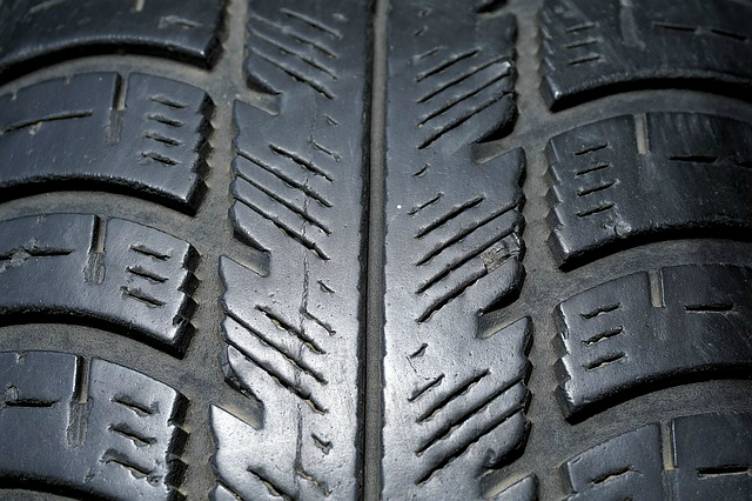
What causes tire rot?
Ozone and Ultraviolet Rays
The sun can be harsh to tires, and its ultraviolet rays (UV rays) can degrade them faster. Add to that is ozone gas which hastens the degradation process even more.
This can explain why urban areas—where there is a lot of pollution that mixes with the ozone gas and sun’s radiation—have more problems with tire cracks or rot.
Man-made chemicals
Your tires have built-in protective layers, but they can be stripped off if you consistently use harsh detergents and other cleaning chemicals on them. This exposes them to radiation, ozone gases, and other harsh elements that can cause small, light fissures to appear.
Oxidation
This is an inevitable process. Tires lose their flexibility as they age, just as an apple ripens and eventually rots.
Somehow, higher temperatures worsen the oxidation process so the hotter and drier the place you live, the more tendency for your tires to develop these hairline cracks.
Bad Driving Habits
Fast acceleration and scraping against anything concrete can age your tires prematurely and make them prone to damages and tire rots. Another way to create those hairline cracks is driving with under-inflated or over-inflated tires that stress the tire’s sidewall.
How to Prevent Tire Cracks

Practice Good Driving Habits and Maintenance
You can easily lessen your car’s chances of developing tire rot by driving safely and practicing good driving habits. This means not to make sudden stop-starts on the road, being careful not to scrape your tires on the gutter while parking, properly filling your tires with the correct amount of air, and cleaning your tires with safe, non-abrasive ingredients.
Use your tires
Don’t leave your car parked in the garage all year long; drive them at least once a month to “knead” the tire’s rubber and maintain its flexibility much longer.
Change your tires
Many manufacturers recommend you replace tires after 10 years from the time you bought them. Still, use common sense here. If you subject you tires to a lot of stress and harsh elements daily, then replace them earlier than that.
Use Tire Protection
There are many tire protectants that help lessen ozone and ultraviolet radiation damages. Usually, they coat the tire to add another layer of extra protection.
Ideally, it’s best to choose the water-based protectants, but you can also chose the oil-based ones as long as there are no harsh chemicals included in its components.
Final Word
It's easy to develop tire rot; the good news is it's also easy to prevent them by following good, common sense driving habits and consistent tire maintenance. It only takes a bit of time and commitment to do regularly, but you'll be rewarded with tires that will last longer and perform better on the road.
Featured Articles
- Latest
-
Ford PH gets new Customer Service Division chiefRuben Manahan IV . Jun 29, 2026
-
-
CAMPI-TMA May 2026 YTD sales down by 12%Ruben Manahan IV . Jun 26, 2026
-
Mitsubishi PH adds new variant to Xforce rosterPaulo Papa . Jun 26, 2026
-
LC300 HEV now available at Toyota PH dealershipsRuben Manahan IV . Jun 25, 2026
-
Geely PH officially launches EX2Paulo Papa . Jun 24, 2026
Recommended Articles For You
-
-
-
-
-
-
Honda PH: Be a better rider during lockdownRuben Manahan IV . Jun 25, 2020
Featured Cars
- Latest
- Upcoming
- Popular
Car Articles From Zigwheels
- News
- Article Feature
- Advisory Stories
- Road Test
-
PH among leading markets for Ford Ranger Raptor globallyRuben Manahan IV . Today
-
Another round of fuel price hikes set for 1st week of Jul.Paulo Papa . Today
-
Zigwheels weekly wrap: Jun. 29-Jul. 3Paulo Papa . Jul 06, 2026
-
GAC says Aion UT is now world’s fastest-growing Chinese EV hatchCesar Miguel . Jul 06, 2026
-
ACMobility’s Power-on-Wheels can now cater to business-owned EV fleetsCesar Miguel . Jul 06, 2026
-
Suzuki e-Vitara: 2 tamed colorsPaulo Papa . Today
-
3 reasons to pick the Mitsubishi Xforce GLX variantPaulo Papa . Today
-
5 features we like on the all-new Nissan X-Trail e-POWERCesar Miguel . Jul 03, 2026
-
Check out the Jaecoo J5 EV’s strengths, weaknessesCesar Miguel . Jul 01, 2026
-
3 reasons to like the next-gen Toyota HiluxCesar Miguel . Jun 29, 2026
-
Tips on how to prevent vehicle firesCesar Miguel . Mar 17, 2026
-
How to prepare your car for summerCesar Miguel . Mar 11, 2026
-
Avoid road trip horror stories this 'Undas' with these tipsRuben Manahan IV . Oct 20, 2025
-
Here are ways to avoid road ragePaulo Papa . Sep 23, 2025
-
How well do you understand traffic signs?Cesar Miguel . Sep 09, 2025
-
First impressions: Geely EX2Cesar Miguel . Jun 18, 2026
-
ELECTRIA: VinFast VF 6 is a well-equipped urban warriorCesar Miguel . Apr 20, 2026
-
BYD DM-i lineup conquers Southern LuzonCesar Miguel . Mar 10, 2026
-
Hyundai Creta Premium: balancing engaging drive,comfortCesar Miguel . Feb 13, 2026
-
First drive: 4th-gen Changan CS55 PlusPaulo Papa . Feb 09, 2026